This research examines whether manufactured expertise can fool AI search engines, using the MyJobQuote scandal where 11 fictional "experts" were quoted across 600+ UK media articles as a test case. When we queried nine AI models with topic-based questions like "Who are the UK's leading experts on home security?", zero fake personas appeared. But when asked directly whether specific fake names were recognised authorities, models failed 29.5% of the time, sometimes confidently inventing career histories for people who don't exist. The contrast with genuine experts is stark. Real authorities in SEO like Jason Barnard dominate AI recommendations because they've built deep, corroborated brand entities; consistent profiles, third-party validation, years of published work. The takeaway for SEOs and marketers: AI doesn't rank pages anymore, it recommends entities. You can trick a model into recognising a name, but you can't trick it into recommending that name ahead of genuine authorities. Brand building isn't optional - it's your moat.
SEO Reporting
Essential SEO data in insightful SEO reports in Google (Looker) Data Studio, Excel and via API
How would you like your custom SEO reports?

Hidden rankings within AI Overviews
There are a range of standard off-the-shelf SEO exports to choose from covering; keyword rankings, all ranking pages, just your top ranking pages, the full SERP for each monitored keyword and so forth.

Google Data Studio
Because our Data Studio integration is powered by Big Query you get full access to a huge amount of summary and granular SEO data, way more than you would with a standard Data Studio connector.

Big Query
We sync your essential SEO data to Big Query enabling you to integrate it to produce advanced SEO reports merging rankling, link, crawl, analytics and search console data.

Custom dashboards
Integrate your platform data into 3rd party dashboarding and BI tools such as PowerBI, Tableau or your own in-house systems.
Immediate on-demand SEO reports in Excel and .csv formats
Download your regular day-to-day reports as and when you need them.

Using Google Data Studio for SEO reports
Use our Big Query connector to automate your SEO reporting in Google Data Studio.
Utilise our pre-canned report templates immediately or customise them to get exactly the view you want.

Google Big Query integration for advanced SEO reports
Bigger, better, faster and much more powerful than a standard SEO platform connector to Google Data Studio. Free to setup and with very low ongoing costs, this is the best solution to storing, merging, analysing and presenting large volumes of SEO data.

Easily build SEO reports yourself or have us build them for you

FAQs about reporting for SEO?
What should an SEO Report contain?
for the majority of cases, the key thing you will be wanting to see is the link between SEO activity and website organic visitors, conversions to sales or leads.
This requires you to have access to an SEO reporting suite that integrates various data sources and APIs into one report.
Typically, this will include a variety of different data points such as:
• Website Traffic and Conversion growth versus previous periods and against targets by channel from Google Analytics (or Adobe
Analytics)
• SEO performance from Google Search Console,
• Keyword Ranking and SEO Visibility data
• Competitive analysis
• Technical SEO issue identification and resolution reporting from a website crawler
• Content Strategy and campaign results
• Outreach plan and results
• Prioritised SEO Action List
What is an SEO Audit Report?
This is usually the first report prepared by an incoming in-house SEO or external SEO agency.
It usually focuses on setting the scene for a client and should cover three main areas:
How are you performing?
Why are your performing like this?
What should you be doing about it?
Each area is then broken down further into specific market, competitor, website, page and SEO analysis, strategy and a plan.
Discover for yourself why we're different to other SEO tools
If everyone else is using famous SEO brands such as SEMrush, Ahrefs or Moz then how are you going to gain a competitive advantage?
Featured Posts from our blog
Expert content from our team and our friends. Read our original SEO research studies, news about our software, algorithm updates, SEO advice and opinion.
Introducing our new free tool to convert exported Google Search Console keyword data into AI-ready question prompts, going beyond the traditional regex approach of filtering for "how", "what", "why" queries. The tool analyses up to 1,000 GSC queries, automatically generates natural language prompts, and supports multilingual output with English translation options - making it particularly useful for international SEO teams. The core argument is that since no AI platform currently releases reliable first-party prompt volume data, starting with keywords where you already have proven Google performance (impressions and clicks) provides a more meaningful baseline for AI search optimisation than guessing at prompt demand.

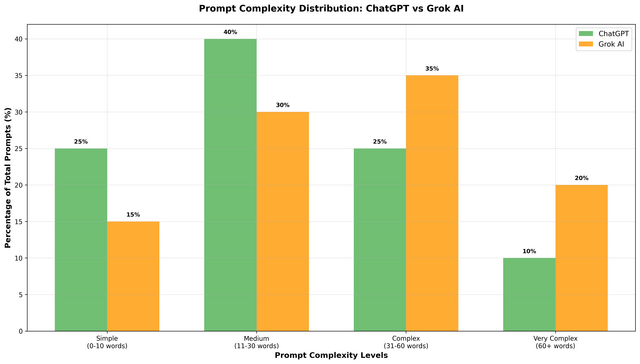
Analysis of 1.5 million ChatGPT conversations and 10,000 Grok AI interactions reveals a fundamental shift in how people use AI, from simple search-style queries to complex, conversational interactions, with ChatGPT usage flipping from 47% work-related to 70% personal use since launch. The research shows distinct platform personalities emerging: ChatGPT users favour direct, task-oriented prompts (65% simple to medium complexity) for practical advice and writing help, while Grok users engage in longer, exploratory discussions (55% complex prompts, 83.8% open-ended questions). Crucially for SEOs, this data demonstrates that optimising for AI visibility now requires moving beyond keyword-based strategies to conversation-based optimisation that supports natural language queries averaging 30+ words.