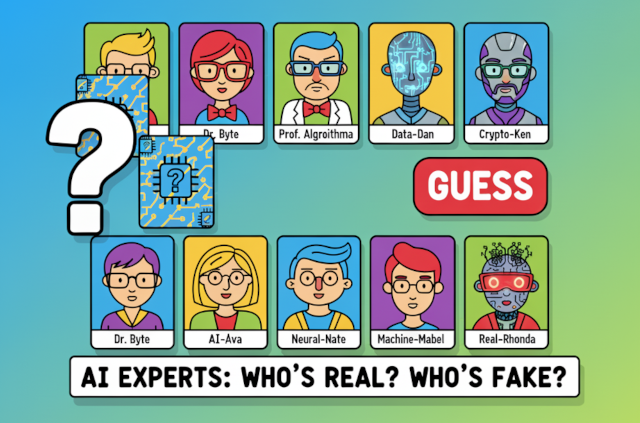
This research examines whether manufactured expertise can fool AI search engines, using the MyJobQuote scandal where 11 fictional "experts" were quoted across 600+ UK media articles as a test case. When we queried nine AI models with topic-based questions like "Who are the UK's leading experts on home security?", zero fake personas appeared. But when asked directly whether specific fake names were recognised authorities, models failed 29.5% of the time, sometimes confidently inventing career histories for people who don't exist. The contrast with genuine experts is stark. Real authorities in SEO like Jason Barnard dominate AI recommendations because they've built deep, corroborated brand entities; consistent profiles, third-party validation, years of published work. The takeaway for SEOs and marketers: AI doesn't rank pages anymore, it recommends entities. You can trick a model into recognising a name, but you can't trick it into recommending that name ahead of genuine authorities. Brand building isn't optional - it's your moat.
SEO Alerts
Get instant email alerts and notifications when your SEO KPIs move up or down or when key jobs are completed
Monitor changes to key SEO KPIs and data
You can easily setup sophisticated custom alerts for changes to any of these key SEO metrics.
.avif)
Eliminate false positives and fine-tune SEO Alert relevance
Alerts can be powerful but need to be relevant so they don’t become distracting.
.avif)
FAQs about how to setup for SEO?
How do I setup SEO Alerts?
Simply login to the platform and click on the notification icon in the top menu bar (it looks like a bell). This will take you to the alert configuration screen. Here you can select ‘Add New Alert’ and this will allow you to select the SEO data you want to track and the type of notification you need.
What are custom alerts in Google Analytics?
Google Analytics gives you the chance to setup two types of alerts; Automatic Alerts and Custom Alerts.
Automatic alerts are created by Google and inform you about major fluctuations in your website analytics stats such as big changes in site visitors by channel or changes to metrics such as bounce rate or time on site.
Custom Alerts give you an additional benefit as you can tune the alerts to changes in metrics that are likely to have a meaningful impact on your business.
Can I get alerts from Google Search Console?
The Google Search Console system does send email notifications to webmasters to alert you to errors in your website such as mobile friendly issues, page speed problems, server issues, dead links and more.
Nowadays, it evens send you a monthly performance summary and if you have been naughty, perhaps a notification about a penalty!
If you connect your Google Search Console data to the Authoritas platform then you can create even better and extremely fine-grained SEO alerts based on changes in clicks or impressions in your GSC data.
Discover for yourself why we're different to other SEO tools
If everyone else is using famous SEO brands such as SEMrush, Ahrefs or Moz then how are you going to gain a competitive advantage?
Featured Posts from our blog
Expert content from our team and our friends. Read our original SEO research studies, news about our software, algorithm updates, SEO advice and opinion.
Introducing our new free tool to convert exported Google Search Console keyword data into AI-ready question prompts, going beyond the traditional regex approach of filtering for "how", "what", "why" queries. The tool analyses up to 1,000 GSC queries, automatically generates natural language prompts, and supports multilingual output with English translation options - making it particularly useful for international SEO teams. The core argument is that since no AI platform currently releases reliable first-party prompt volume data, starting with keywords where you already have proven Google performance (impressions and clicks) provides a more meaningful baseline for AI search optimisation than guessing at prompt demand.

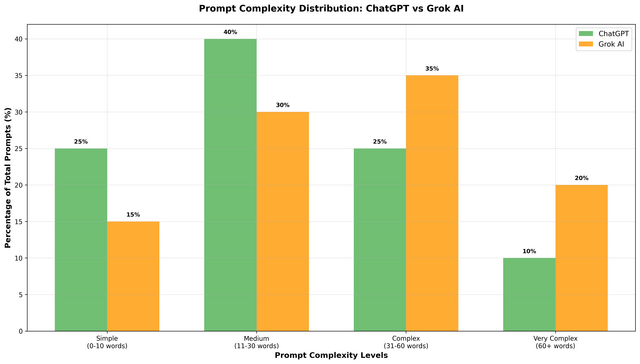
Analysis of 1.5 million ChatGPT conversations and 10,000 Grok AI interactions reveals a fundamental shift in how people use AI, from simple search-style queries to complex, conversational interactions, with ChatGPT usage flipping from 47% work-related to 70% personal use since launch. The research shows distinct platform personalities emerging: ChatGPT users favour direct, task-oriented prompts (65% simple to medium complexity) for practical advice and writing help, while Grok users engage in longer, exploratory discussions (55% complex prompts, 83.8% open-ended questions). Crucially for SEOs, this data demonstrates that optimising for AI visibility now requires moving beyond keyword-based strategies to conversation-based optimisation that supports natural language queries averaging 30+ words.